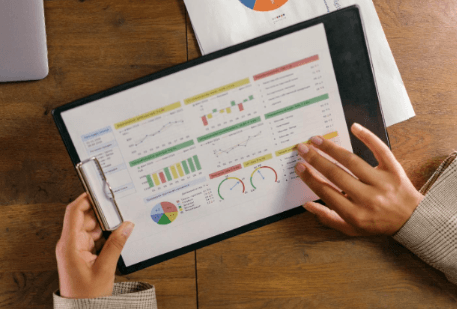

In today’s competitive business landscape, data-driven decision-making is a key driver of growth. Analytics provides businesses with insights into market trends, customer behavior, operational efficiency, and financial performance. By leveraging analytics effectively, companies can identify opportunities, mitigate risks, and implement strategies that drive sustainable growth.
Analytics is not limited to large corporations; even small and medium-sized businesses can harness data to make informed decisions, optimize resources, and enhance overall performance. Integrating analytics into business operations ensures that growth strategies are grounded in evidence, improving outcomes and long-term competitiveness.
Understanding Business Analytics
Business analytics involves collecting, processing, and analyzing data to gain actionable insights. These insights guide decision-making across marketing, operations, finance, and strategic planning.
Analytics enables organizations to monitor performance, predict trends, and measure the impact of initiatives. For example, understanding the efficiency of corporate processes, such as submitting the NNC1 Form, allows companies to ensure compliance and operational accuracy while identifying areas for improvement.
Driving Growth Through Data
Data-driven insights inform strategies that promote growth. Analytics helps businesses identify high-performing products, profitable customer segments, and emerging market opportunities.
Monitoring operational metrics ensures that processes run efficiently and comply with regulatory requirements. Submitting the NNC1 Form accurately and on time is a critical administrative process, and analytics can track completion rates, identify bottlenecks, and enhance procedural efficiency. This ensures that corporate governance supports growth objectives effectively.
Enhancing Customer Insights
Customer analytics enables businesses to understand preferences, behavior, and engagement patterns. Insights from data help companies tailor products, personalize marketing campaigns, and improve customer experiences.
For instance, using analytics to track service satisfaction and responsiveness in administrative processes, including the handling of the NNC1 Form, demonstrates organizational efficiency and reliability. Customers and stakeholders are more likely to trust a business that integrates data-driven decision-making into operational and governance practices.
Improving Operational Efficiency
Analytics identifies inefficiencies, optimizes workflows, and improves resource allocation. By analyzing operational data, businesses can reduce costs, increase productivity, and streamline processes.
Administrative processes, such as submitting and tracking the NNC1 Form, benefit from analytics by ensuring compliance deadlines are met and potential errors are minimized. Efficient governance operations support smoother business performance and reinforce credibility with regulators and stakeholders.
Supporting Strategic Decision-Making
Analytics empowers leaders to make informed, evidence-based decisions. By understanding trends, risks, and opportunities, companies can implement strategies that align with organizational goals.
Decisions related to corporate compliance, such as handling the NNC1 Form, require precision and timeliness. Analytics provides insights into historical compliance performance, identifies process gaps, and informs leadership on necessary improvements, ensuring governance practices support strategic growth.
Risk Management and Compliance
Data analytics also plays a critical role in risk management. Businesses can identify operational risks, monitor regulatory compliance, and take preventive measures to mitigate potential issues.
Efficiently managing statutory obligations, including the submission of the NNC1 Form, reduces the risk of penalties, errors, and delays. Analytics ensures that governance processes are monitored systematically, providing transparency and reinforcing trust with regulatory authorities.
You Should Also Read : TechAiTech
Leveraging Technology for Analytics
Digital tools and analytics platforms make it easier for businesses to collect, process, and interpret large volumes of data. Cloud-based systems, dashboards, and automated reporting enhance decision-making and provide real-time insights.
Incorporating technology into corporate processes ensures that critical filings like the NNC1 Form are handled efficiently and accurately. Automation and analytics together reduce manual errors and free resources to focus on strategic growth initiatives.
Measuring Growth Impact
Analytics provides measurable indicators of success, allowing companies to track the effectiveness of initiatives. Metrics such as customer engagement, revenue growth, operational efficiency, and compliance adherence offer insights into the impact of strategies.
Tracking the completion and accuracy of processes, including the NNC1 Form, ensures that governance operations contribute to organizational growth. Regular assessment of these metrics supports continuous improvement and long-term success.
Long-Term Benefits of Analytics
Companies that integrate analytics into their operations enjoy long-term advantages, including improved decision-making, operational efficiency, customer satisfaction, and risk management. Data-driven organizations can adapt quickly to market changes and make strategic choices that drive sustainable growth.
Proper management of corporate compliance processes, such as submitting the NNC1 Form, ensures legal adherence, strengthens credibility, and reinforces stakeholder confidence. Analytics not only supports operational excellence but also enhances governance, creating a foundation for sustained business success.
Conclusion
Analytics is a vital tool for driving business growth. It enables data-driven decision-making, enhances operational efficiency, supports compliance, and improves customer experiences.
Integrating analytics into corporate governance processes, including the accurate and timely submission of the NNC1 Form, ensures operational accuracy and transparency. Organizations that leverage analytics effectively position themselves for long-term success, sustainable growth, and a competitive advantage in the marketplace.
FAQs
What is business analytics?
Business analytics involves collecting, processing, and analyzing data to generate insights that support informed decision-making and growth strategies.
How does analytics support growth?
Analytics identifies opportunities, optimizes operations, improves customer experiences, and ensures that strategic initiatives are data-driven and effective.
Why is the NNC1 Form important in analytics?
The NNC1 Form is essential for company incorporation and compliance. Analytics helps track its submission accuracy and efficiency, ensuring proper governance.
Can analytics improve customer trust?
Yes, demonstrating efficiency and accuracy in processes like handling the NNC1 Form reinforces organizational credibility and builds stakeholder confidence.
What are the long-term benefits of using analytics in business?
Long-term benefits include better decision-making, operational efficiency, regulatory compliance, risk management, customer satisfaction, and sustainable growth.