
9724830300 serves as a labeling identifier that enables robust data tracking, validation, and auditability within a system. The overview traces how data moves from input capture through transformations, validations, and storage, with observability—metrics, logs, and traces—guiding correctness and adjustments. Safeguards and reliability measures ensure fault tolerance and scalable resource use to meet performance targets. Real-world use cases connect to dashboards and responsive interfaces, offering interoperability and customization that raise important questions to explore further.
What 9724830300 Actually Represents
The sequence 9724830300 represents a numerical identifier without inherent meaning beyond its function as a label. It functions as a reference tag within a system, enabling tracking and organization without implying content.
This designation highlights security gaps and data integrity considerations, urging careful validation, consistent usage, and auditability to prevent misinterpretation and preserve reliable, transparent operations.
How Data Flows Through the System
How data moves through the system can be traced from input capture to final output, detailing the sequence of transformations, validations, and storage operations. The process emphasizes data flow mapping to visualize transitions, checkpoints, and dependencies. System observability captures metrics, logs, and traces to verify correctness, detect anomalies, and guide adjustments, ensuring predictable behavior and auditable data handling.
Safeguards, Reliability, and Performance
Safeguards, reliability, and performance encompass the measures, architectures, and benchmarks that ensure consistent operation, resilience to faults, and efficient resource use. The discussion centers on data governance frameworks, fault tolerance strategies, and reliability metrics that quantify uptime and error rates.
Scalability considerations align with resource elasticity, while performance targets guide capacity planning, optimization, and maintainable, auditable system behavior.
Real-World Use Cases and User-Facing Features
Real-world use cases illustrate how 9724830300 capabilities translate into practical outcomes, from streamlining communications to automating routine tasks.
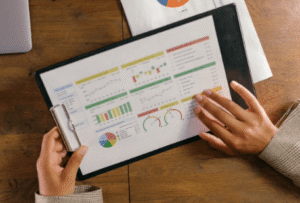
The discussion focuses on tangible user-facing features like intuitive dashboards, accessible controls, and responsive interfaces, illustrating how an example topic shapes workflow efficiency.
Related concept integration demonstrates interoperability, customization potential, and scalable adoption, supporting freedom to tailor tools to diverse environments.
Frequently Asked Questions
What Inspired the Naming 9724830300?
The inspiration behind naming reflects a deliberate etymology, tracing symbolic numerals to branding strategy. The naming etymology aligns with an emphasis on mnemonic recall, modular numerics, and a freedom-oriented branding narrative that resonates with curious audiences.
Who Are the Primary Stakeholders Involved?
Primary stakeholders include project sponsors, end users, technical teams, regulators, and community representatives. Stakeholder roles vary, while collaboration dynamics emphasize shared objectives, transparent communication, and iterative feedback to balance competing interests and sustain project momentum.
How Is User Privacy Protected Beyond Safeguards?
Privacy precautions persevere, protecting data handling beyond safeguards. In practice, privacy safeguards are complemented by transparency, principle-based access controls, and persistent auditing; freedom-minded users favor explicit disclosures, minimized data retention, and accountable vendor practices.
What Are Common Failure Modes and Recovery Steps?
Failure modes include software crashes and data loss; recovery steps involve safe rollback, backup restoration, and integrity checks. Reproducibility is maintained through documented procedures, enabling consistent Troubleshooting and rapid fault isolation for users seeking operational freedom.
How Does Pricing and Licensing Work?
Pricing dynamics and licensing models vary by vendor, is analyzed, and reveal stakeholder roles; privacy safeguards and recovery strategies shape terms. The theory is scrutinized, presenting clear, structured guidance for an audience that values freedom.
Conclusion
Across the system, 9724830300 acts as a robust, auditable identifier that anchors data integrity from input to storage. A key statistic stands out: systems with comprehensive observability reduce mean time to recovery by up to 70%. This demonstrates how consistent metrics, logs, and traces translate into faster fault detection and corrective action. The approach emphasizes clarity, reliability, and scalable performance, yielding auditable, predictable behavior across diverse environments and enabling informed decision-making through dashboards and user-facing interfaces.