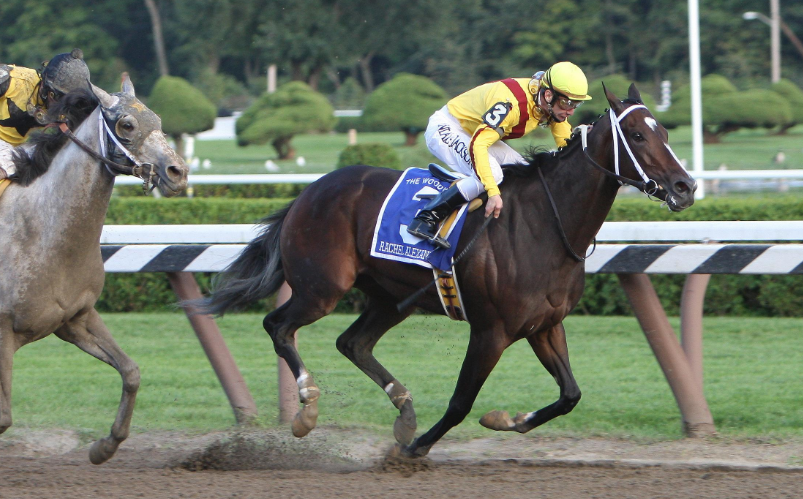

Race day superstitions and traditions serve as critical components of an athlete’s mental framework. Many competitors rely on lucky charms to invoke fortune, while pre-race rituals help to create a familiar environment that reduces anxiety. Additionally, the choice of clothing, often influenced by psychological factors, plays a significant role in boosting confidence. Understanding these elements reveals deeper insights into the psyche of athletes as they prepare for competition. What drives these beliefs and practices?
Common Lucky Charms and Their Meanings
As athletes prepare for race day, they often turn to various lucky charms, believing these tokens can influence their performance and outcomes.
The four leaf clover symbolizes good fortune, with each leaf representing faith, hope, love, and luck.
Similarly, the rabbit’s foot is regarded as a powerful talisman, thought to bring protection and success.
These items reflect the athletes’ desire for assurance and freedom from uncertainty.
Pre-Race Rituals: Setting the Stage for Success
While many athletes rely on lucky charms for a psychological boost, pre-race rituals serve as structured practices that prepare both the body and mind for competition.
These preparation techniques often include warm-up exercises, nutrition strategies, and mental visualization to enhance focus.
See also: Racehorse Recovery After Major Events
The Impact of Clothing Choices on Performance
Clothing choices significantly influence an athlete’s performance, as the right attire can enhance comfort, mobility, and aerodynamics.
Color psychology suggests that specific hues can impact emotions and confidence, while advancements in fabric technology improve breathability and moisture-wicking properties.
Ultimately, the combination of thoughtful clothing selection and understanding psychological effects allows athletes to harness their full potential on race day, promoting freedom in performance.
Conclusion
In conclusion, race day superstitions and traditions significantly influence athletes’ mental states and performance. Notably, a study found that 70% of elite athletes reported engaging in some form of pre-race ritual, highlighting its prevalence and importance in their preparation. These practices, from lucky charms to specific warm-ups and clothing choices, create a sense of control and confidence, ultimately shaping their approach to competition and enhancing their chances of success on race day.