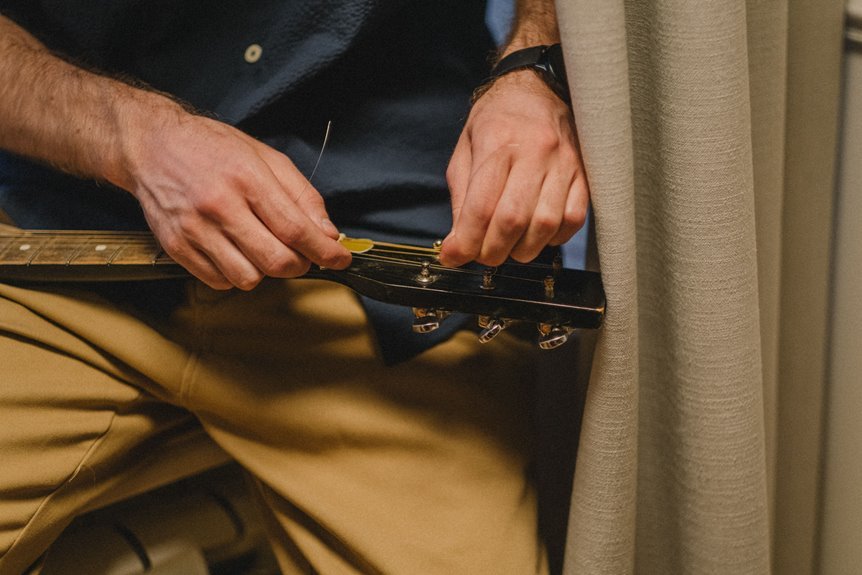

Restringing a guitar presents variable costs tied to string type, gauge, instrument style, and service approach. Basic setups with inexpensive strings are cheaper; premium alloys and coatings raise the bill, especially with meticulous intonation and neck relief work. Labor time and hardware quality also matter. The range can be substantial, with mid-range choices offering balance. For a practical estimate, weigh quotes carefully and consider how future maintenance fits into the initial investment, then weigh options before proceeding.
What a Guitar Restringing Actually Costs
Restringing a guitar incurs costs tied to material quality, instrument type, and service method. In practical terms, components include strings, hardware, and labor; prices reflect gauge, winding material, and coating. For different guitars, setup steps—tensioning, intonation, nut and tuner adjustments—vary. Two word discussion ideas, unrelated subtopic, shape expectations about value and time required for a precise restring.
Factors That Impact Your Stringing Price
Several factors determine the price of stringing a guitar, including string material and gauge, instrument type, and the chosen service method. In practice, technicians quantify labor time, wire quality, and setup difficulty. Restringing frequency and a defined maintenance routine influence long-term costs by affecting wear patterns, neck relief, and tuning stability, guiding scheduling, material choice, and service scope for consistent playability.
Budget Scenarios: Cheapest, Mid, and Premium Restringing
Budget scenarios for restringing break down into three typical price tiers: cheapest, mid-range, and premium. Each tier reflects differing approaches to cheap maintenance, tone considerations, and durable setups.
The cheapest emphasizes basic strings and quick installs; mid-range adds modest upgrades and reliable hardware; premium relies on quality materials, precise intonation, and affordable upgrades that preserve tone freedom.
How to Save Without Sacrificing Tone or Setup
Are there efficient strategies to save on restringing costs without compromising tone or setup? The article outlines practical cost considerations, emphasizing conservative material choice and service accuracy. Tone preservation depends on string type, gauge, and stable neck setup. Debunk pricing myths with transparent quotes, while setup tips focus on nut, tuner alignment, and intonation to avoid future expenses.
Frequently Asked Questions
Do Nut Slots Need Checking During Restringing?
Nut slots should be checked during restringing to ensure proper string seating, intonation, and sustain. Tremolo pricing considerations may influence whether only slot edges are dressed or full nut locksmithing is performed. This approach maintains freedom and precision in setup.
How Long Does a Standard Restring Take?
A typical guitar restring takes about 30 to 45 minutes. In practice, the timing depends on string type and setup. Two word discussion ideas: technique precision. Restring timing can be optimized by planning neck relief and tuner checks.
Do Guitars With Tremolos Affect Pricing?
Guitars with tremolos can affect pricing; tremolo pricing varies by bridge type and setup complexity. A practical analysis shows minor adjustments for tremolo-equipped models, with costs influenced by nut, tuner, and saddle alignment alongside standard restringing. two word discussion ideas.
Are Nickel Vs Phosphor Bronze Strings Priced Differently?
Nickel differences influence gauge availability and feel, while phosphor bronze pricing tends to be higher due to longevity and brightness. The analysis shows modest cost variance; nickel strings are generally cheaper, with phosphor bronze pricing reflecting material and durability considerations.
Should I Replace Pickups During a Full Setup?
Guitars breathe through maintenance; replacing pickups during a full setup is not required, but chosen upgrades can improve tone. For guitar maintenance, assess if wiring and magnets meet goals; pickup upgrades may enhance output and clarity.
Conclusion
Restringing costs hinge on string type, gauge, instrument, and the level of service. Typical ranges include economy quick installs, mid-range sets with basic setup, and premium options that include meticulous intonation and nut work. An interesting stat: hardware and service fees can account for up to 40% of the total in premium restrings. To optimize value, compare transparent quotes, select reliable mid-range strings, and plan occasional precise setups to prevent iterative, higher-cost adjustments later.